
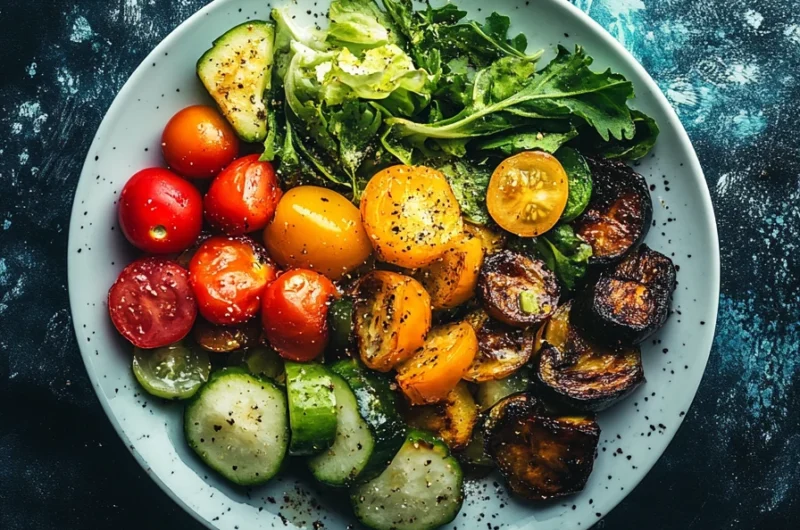
Healthy sautéed vegetables are an amazing addition to any meal, offering both nutritional benefits and flavor that can elevate your dishes. When cooked properly, vegetables can maintain their vibrant colors and essential nutrients, making them more appealing to both the eyes and the palate. This article delves into the world of healthy sautéed vegetables, exploring why they are essential for your diet, effective cooking techniques, and tips for maximizing flavor and health benefits. Whether you’re a seasoned cook or a beginner, this incredible guide will help you create stunning vegetable dishes that are both delightful and beneficial for your health.
Sautéing vegetables is not only a quick and simple cooking method but also a wonderful way to bring out the natural sweetness and flavors of your favorite produce. Many people are often unsure how to sauté vegetables perfectly, leading to experiences of bland or mushy accompaniments in their meals. However, with the right approach, you can unlock amazing taste and textures in just a few minutes.
Across this article, you’ll discover a collection of healthy sautéed vegetable recipes that showcase a variety of colors, flavors, and textures. Perfect for a side dish, main course, or even a light snack, these recipes use a combination of fresh seasonal produce and brief cooking times to create meals that are not just healthy but also vibrant and enjoyable.
Why You’ll Love This Recipe
You may wonder why sautéing vegetables could be your new go-to cooking method. Here are several reasons why healthy sautéed vegetables are a fantastic choice:
1. Quick and Easy: Sautéing can be done in a matter of minutes, making it perfect for busy weeknights.
2. Nutrient Preservation: Sautéing retains more vitamins and minerals compared to boiling or steaming.
3. Flavor Enhancement: The caramelization that occurs during sautéing brings out a delicious depth of flavor.
4. Versatility: You can use almost any vegetable and pair them with various seasonings, oils, and accompaniments.
5. Healthy Additions: Sautéing allows you to incorporate healthy fats, such as olive oil, which provide essential nutrients.
6. Colorful Dishes: A vibrant mix of sautéed vegetables can brighten up any plate, making meals more visually appealing.
7. Simple Cleanup: One pan does the trick, minimizing pot and pan messiness.
The remarkable versatility of healthy sautéed vegetables means you can easily mix and match ingredients to suit your mood or dietary preferences. They’ll quickly become a staple in your cooking repertoire.
Preparation and Cooking Time
When it comes to healthy sautéed vegetables, your preparation and cooking times are fairly minimal. Here’s a general guideline for how long you can expect to take:
– Preparation Time: 10-15 minutes (for chopping and prepping vegetables)
– Cooking Time: 5-10 minutes (depending on the vegetables used)
– Total Time: 15-25 minutes
These times can vary based on your familiarity with the ingredients and equipment. However, rest assured that the reward is a flavorful, nutritious dish that comes together quickly.
Ingredients
– 2 cups of colorful bell peppers (sliced)
– 1 cup of broccoli florets
– 1 cup of zucchini (sliced)
– 1 cup of cherry tomatoes (halved)
– 1 cup of carrots (julienned)
– 2 tablespoons of olive oil (for sautéing)
– 2 cloves of garlic (minced)
– Salt and pepper to taste
– Fresh herbs (such as basil or parsley, for garnish)
Step-by-Step Instructions
Creating healthy sautéed vegetables can be accomplished easily by following these simple steps:
1. Wash and Prep Vegetables: Rinse all the vegetables thoroughly. Slice the bell peppers, zucchini, and carrots, and cut the broccoli into bite-sized florets. Halve the cherry tomatoes.
2. Heat the Pan: Place a large sauté pan or skillet on medium heat. Add the olive oil and allow it to warm.
3. Sauté Garlic: Once the oil is heated, add the minced garlic and sauté for about 30 seconds until fragrant. Be careful not to burn it.
4. Add Hard Vegetables: Begin with the carrots and broccoli, as these take longer to cook. Sauté for about 2-3 minutes, stirring occasionally.
5. Incorporate Soft Vegetables: Add the bell peppers and zucchini. Continue sautéing for another 3-5 minutes until they are slightly tender but still crisp.
6. Finish with Tomatoes: Lastly, throw in the cherry tomatoes. Cook for an additional 1-2 minutes until they are heated through.
7. Season: Sprinkle salt and pepper to taste. You can also add a splash of lemon juice or balsamic vinegar for extra flavor if desired.
8. Garnish and Serve: Remove from the heat. Garnish with fresh herbs before serving.
By following these simple steps, you will create healthy sautéed vegetables that not only taste fantastic but are also visually appealing.
How to Serve
Serving healthy sautéed vegetables is just as important as making them. Here are some ways to enhance your presentation and enjoyment:
1. On a Bed of Grains: Serve sautéed vegetables atop a bed of quinoa, rice, or couscous for a hearty and satisfying meal.
2. As a Side Dish: Pair the vegetables with grilled chicken, fish, or tofu for a balanced plate.
3. In a Wrap: Use the sautéed veggies as a filling in whole-grain wraps with hummus or your favorite spread.
4. Topped with Protein: For added nutrition, consider topping your vegetables with a poached egg, grated cheese, or nuts for crunch.
5. In a Salad: Toss the sautéed vegetables into a green salad for a warm and inviting dish.
6. Garnishing Plates: Use the vibrant array of sautéed vegetables to garnish your main entrée, elevating the look and nutrition of your meal.
7. Incorporate Sauces: Drizzle a light sauce, such as tahini or yogurt-based dressings, for added flavor and creaminess.
By thoughtfully serving your healthy sautéed vegetables, you create culinary experiences that inspire joy and satisfaction at the table.
Additional Tips
– Experiment with Seasonings: Don’t be afraid to try different herbs, spices, and condiments. A sprinkle of cayenne or a dash of soy sauce can transform your sautéed vegetables.
– Use a Hot Pan: Ensure your pan is hot before adding vegetables. This helps achieve a nice sear and locks in flavor.
– Cut Vegetables Evenly: Uniform pieces cook more evenly, preventing some from becoming mushy while others remain raw.
– Avoid Overcrowding the Pan: Sauté in batches if necessary. Overcrowding can cause vegetables to steam instead of sauté, impacting texture and flavor.
– Add a Splash of Liquid: For enhanced flavor, consider adding a splash of broth or wine during the cooking process. This technique can deglaze the pan and incorporate flavorful bits stuck to the bottom.
Recipe Variation
Feel free to customize your sautéed vegetables! Here are some variations to try:
1. Protein Boost: Incorporate sliced chicken, shrimp, or tofu during the sautéing process for added protein.
2. Seasonal Twist: Use seasonal vegetables such as asparagus in spring or butternut squash in fall for a unique flair.
3. Spicy Kick: Add jalapeños or crushed red pepper flakes for a bit of heat in your dish.
4. Asian Flair: Incorporate soy sauce, sesame oil, and a sprinkle of sesame seeds for a delicious Asian-inspired twist.
5. Mediterranean Style: Add olives, feta cheese, and a touch of oregano for a Mediterranean flavor profile.
Freezing and Storage
– Storage: Keep leftover sautéed vegetables in an airtight container in the refrigerator. They should remain fresh for 3-5 days.
– Freezing: If you have leftovers, sautéed vegetables can be frozen for longer storage. Place in a freezer-safe container or bag, ensuring as much air as possible is removed. They can last up to 3 months in the freezer.
Special Equipment
You will need a few essential tools to prepare your healthy sautéed vegetables successfully:
– Sauté Pan or Skillet: A wide, heavy-bottomed pan is best for even cooking.
– Spatula or Tongs: For stirring and flipping vegetables.
– Cutting Board and Knife: To prepare your vegetables efficiently.
– Measuring Cups and Spoons: For oil and spices to ensure balanced flavor.
Frequently Asked Questions
What vegetables work best for sautéing?
Many vegetables are great for sautéing! Bell peppers, zucchini, broccoli, and carrots are popular choices, but you can also use green beans, asparagus, and mushrooms.
Can I sauté frozen vegetables?
Yes! You can sauté frozen vegetables directly from the freezer. However, ensure to adjust the cooking time accordingly as they may release extra moisture.
How can I make my sautéed vegetables last longer?
Cooking with fresh vegetables and storing them properly in an airtight container will help maintain their freshness. Consider prepping vegetables daily for maximum flavor.
Can I add sauces to my sautéed vegetables?
Certainly! Adding sauces like teriyaki or garlic sauce can infuse extra flavor. Just make sure to add them towards the end of the cooking process to avoid burning.
What is the best oil to use for sautéing?
Olive oil is a popular choice due to its flavor and health benefits. However, you can also use avocado oil or canola oil for high-heat cooking.
Conclusion
Healthy sautéed vegetables are not only easy to prepare but also versatile and delicious. They can enhance any meal by providing vibrant colors and nourishing flavors. With a few simple techniques, the options for healthy sautéed vegetables are virtually limitless. Whether enjoyed as a side dish, incorporated into a main course, or added to salads and wraps, sautéed vegetables can truly transform your dining experience. Embrace this cooking method and enjoy the delicious and healthful benefits that come with it!
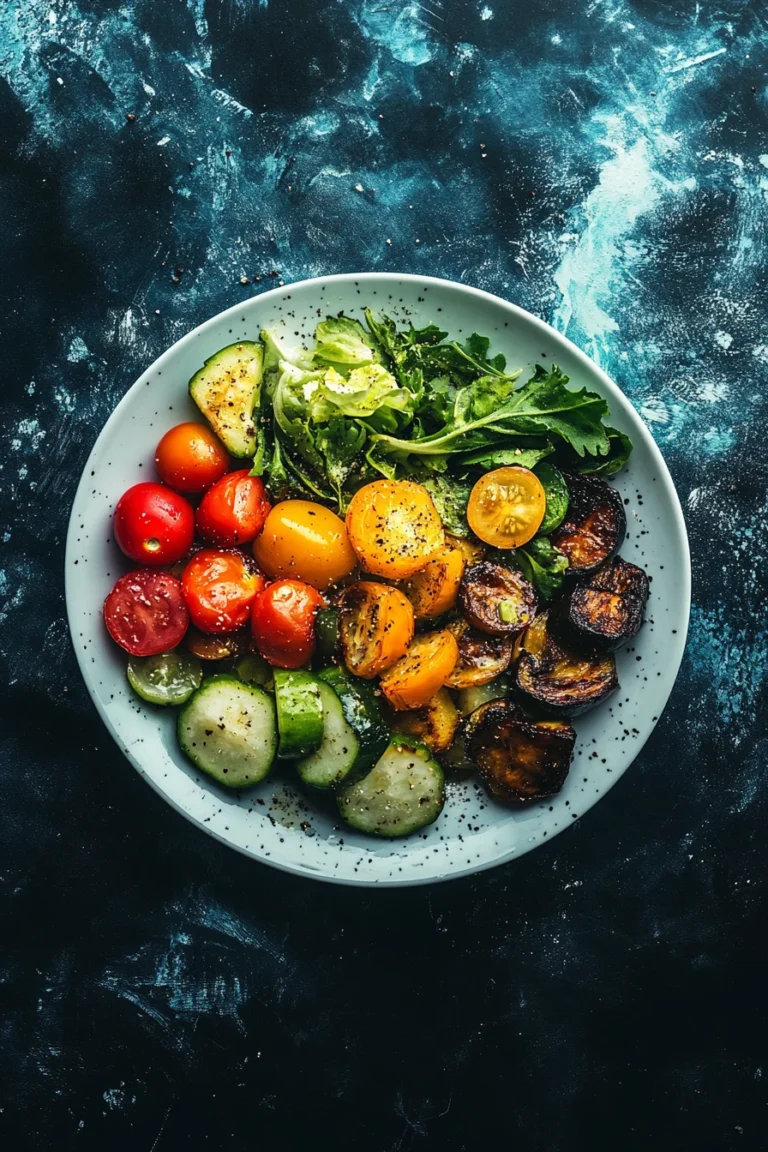
Healthy Sautéed Vegetables: The Incredible Ultimate Guide to 7 Delicious Dishes
- Total Time: 25 minutes
Ingredients
– 2 cups of colorful bell peppers (sliced)
– 1 cup of broccoli florets
– 1 cup of zucchini (sliced)
– 1 cup of cherry tomatoes (halved)
– 1 cup of carrots (julienned)
– 2 tablespoons of olive oil (for sautéing)
– 2 cloves of garlic (minced)
– Salt and pepper to taste
– Fresh herbs (such as basil or parsley, for garnish)
Instructions
Creating healthy sautéed vegetables can be accomplished easily by following these simple steps:
1. Wash and Prep Vegetables: Rinse all the vegetables thoroughly. Slice the bell peppers, zucchini, and carrots, and cut the broccoli into bite-sized florets. Halve the cherry tomatoes.
2. Heat the Pan: Place a large sauté pan or skillet on medium heat. Add the olive oil and allow it to warm.
3. Sauté Garlic: Once the oil is heated, add the minced garlic and sauté for about 30 seconds until fragrant. Be careful not to burn it.
4. Add Hard Vegetables: Begin with the carrots and broccoli, as these take longer to cook. Sauté for about 2-3 minutes, stirring occasionally.
5. Incorporate Soft Vegetables: Add the bell peppers and zucchini. Continue sautéing for another 3-5 minutes until they are slightly tender but still crisp.
6. Finish with Tomatoes: Lastly, throw in the cherry tomatoes. Cook for an additional 1-2 minutes until they are heated through.
7. Season: Sprinkle salt and pepper to taste. You can also add a splash of lemon juice or balsamic vinegar for extra flavor if desired.
8. Garnish and Serve: Remove from the heat. Garnish with fresh herbs before serving.
By following these simple steps, you will create healthy sautéed vegetables that not only taste fantastic but are also visually appealing.
- Prep Time: 15 minutes
- Cook Time: 10 minutes
Nutrition
- Serving Size: 4
- Calories: 150 kcal
- Fat: 10g
- Protein: 4g